Posted on October 3rd, 2018
New England lawn care tends to receive less attention once fall arrives. During summer, homeowners spend plenty of time mowing, watering, fertilizing, trimming, and enjoying their outdoor spaces. By September and October, however, shorter days, falling leaves, school schedules, and preparations for winter can push lawn maintenance further down the priority list.
One task that should not be overlooked is sprinkler winterization. Irrigation lines, valves, sprinkler heads, and other components may still contain water after the final watering cycle of the season. When temperatures fall below freezing, that trapped water can expand and damage parts of the system.
Winterizing your sprinkler system before sustained freezing weather helps protect the equipment you already have and makes the spring startup process easier. It is especially important for properties in Massachusetts and New Hampshire, where long winters and sudden temperature changes can place considerable stress on outdoor plumbing and irrigation equipment.
Need help preparing your irrigation system for winter? Contact Turf Unlimited or call us at (888) 649-9919 to schedule professional sprinkler winterization.
Proper fall irrigation maintenance can prevent several common problems:
Massachusetts and New Hampshire experience long periods of freezing weather. Even when daytime temperatures remain relatively mild in early fall, overnight temperatures can drop quickly. Water trapped in an irrigation system may freeze during one of these cold periods.
As water freezes, it expands. Because an irrigation system is made up of pipes, fittings, valves, backflow components, sprinkler heads, and other connected parts, pressure created by expanding ice can damage multiple areas.
The damage is not always visible immediately. A small crack may go unnoticed throughout winter and only become apparent when the sprinkler system is turned on in spring. At that point, you may notice low water pressure, pooling water, soggy areas, sprinkler heads that do not rise, or zones that fail to operate correctly.
The following table shows several common risks associated with skipping winterization:
| Potential Problem | What You May Notice in Spring | Why It Matters |
|---|---|---|
| Cracked irrigation pipe | Wet or unusually soft areas in the lawn | Underground leaks can waste water and damage nearby soil |
| Damaged sprinkler head | Uneven spray, leaking, or a head that will not rise | Poor coverage may lead to dry or overwatered areas |
| Split fitting or valve | A zone that will not shut off or operate properly | Valve problems can disrupt an entire irrigation zone |
| Backflow component damage | Visible leaking near the backflow assembly | This component may require professional inspection or repair |
| Pump damage | Reduced pressure or failure to start | Pump repairs can be more involved than routine maintenance |
Winterization does not eliminate every possible irrigation problem, but it significantly reduces the risk of damage caused by water freezing inside the system.
The most important reason to winterize a sprinkler system is to remove as much remaining water as possible before winter.
Simply turning off the irrigation controller is not enough. Water can remain inside underground lines, valves, sprinkler heads, and above-ground components even when the system is no longer running.
If this water freezes, the resulting expansion may crack rigid components or weaken connections. Repeated freeze-and-thaw cycles can make the situation worse. A component may survive the first cold night but develop damage after several temperature changes.
Professional sprinkler winterization normally involves shutting off the irrigation water supply and carefully using compressed air to clear individual zones. The process must be completed with the correct pressure and technique because excessive air pressure can also damage irrigation equipment.
An automatic sprinkler system makes it easier to maintain consistent watering during dry New England summers. Protecting that system in fall helps preserve the investment you made in your property.
Sprinkler systems include more than visible spray heads. They may also contain:
A winterization appointment can provide an opportunity to check the system for visible signs of wear before it is shut down. Minor concerns identified in fall can be documented and addressed before or during the spring startup.
Turf Unlimited provides professional sprinkler service and irrigation winterization for homeowners and businesses. Our technicians understand the seasonal demands placed on irrigation systems throughout New England.
Some irrigation products or installation agreements may include maintenance requirements. Depending on the manufacturer and equipment, failing to protect a system from freezing temperatures could affect whether freeze-related damage is covered.
Warranty terms vary, so homeowners should review the documentation for their individual system rather than assume that every repair will be covered.
Keeping records of professional irrigation maintenance may also be useful. Service documentation can show when the system was winterized, identify existing concerns, and create a clearer maintenance history for the property.
Winterizing the system in fall can make spring irrigation startup more straightforward.
Once snow melts and the ground thaws, New England lawns often face a demanding transition. Saturated soil, mud, compacted areas, leftover leaves, and turf stressed by winter can all affect early lawn growth. Irrigation problems add another complication at a time when your landscape may already need attention.
A professional spring startup normally involves slowly restoring the water supply, checking individual zones, inspecting sprinkler heads, and confirming that the controller is operating correctly.
Pairing irrigation maintenance with an appropriate professional lawn care program can help address the broader needs of your turf. The sprinkler system supplies water, while seasonal lawn treatments support soil and grass health.
There is no single date that applies to every property. The appropriate timing depends on local weather conditions, your location, and when your lawn no longer requires routine irrigation.
For many properties in Massachusetts and New Hampshire, sprinkler winterization takes place during fall before sustained freezing temperatures arrive. It is important not to rely only on the calendar because New England weather can change quickly from year to year.
Use the following seasonal guide as a general planning tool:
| Time of Year | Recommended Irrigation Action |
|---|---|
| Late summer | Watch for leaks, poor coverage, or damaged heads while the system is still operating |
| Early fall | Reduce watering as temperatures cool and plant water needs decline |
| Mid to late fall | Schedule winterization before sustained freezing conditions |
| Winter | Leave the irrigation system shut down and avoid disturbing exposed components |
| Early spring | Wait for appropriate conditions, then schedule or complete a careful startup and inspection |
| Late spring and summer | Adjust watering schedules based on rainfall, heat, soil conditions, and lawn needs |
Do not wait until the night before a forecasted freeze to begin looking for service. Irrigation companies become busy during fall, particularly when a sharp temperature drop is expected.
Homeowners within Turf Unlimited’s Massachusetts service area and New Hampshire service area should schedule early enough to have the system serviced before prolonged freezing weather.
The exact process may vary based on the design of the system, available shutoff valves, backflow configuration, and whether the property uses pumps or additional irrigation equipment.
A typical professional winterization follows these general steps:
The goal is to remove water without placing unnecessary pressure on system components. That balance is one of the primary reasons to use a trained irrigation professional.
Some homeowners attempt to winterize their own irrigation systems, but the process involves more than attaching an air compressor and opening a sprinkler zone.
Different types of irrigation pipes and components tolerate different pressure levels. A compressor that is too powerful, or air introduced incorrectly, can damage sprinkler heads, valves, fittings, or backflow equipment. Compressed air can also cause components to move unexpectedly, creating a safety risk.
You should consider professional assistance when:
Homeowners can still take helpful steps before the appointment. Remove objects blocking sprinkler heads, make sure gates are accessible, identify the controller location, and let the technician know about any known problem areas.
Sprinkler winterization is only one part of preparing a New England property for winter.
Fall leaf load can block sunlight and trap excess moisture against grass. Compacted soil can restrict air, water, and nutrient movement. Thin areas may be more vulnerable to weeds once growing conditions return. Grass may also enter winter already stressed by summer drought or humid weather.
Depending on lawn conditions and seasonal timing, fall care may include:
Healthy fall maintenance can help cool-season lawns enter winter in better condition. However, avoid assuming that every thin or discolored area needs the same treatment. Brown turf may result from drought stress, insects, disease, compaction, or irrigation coverage problems.
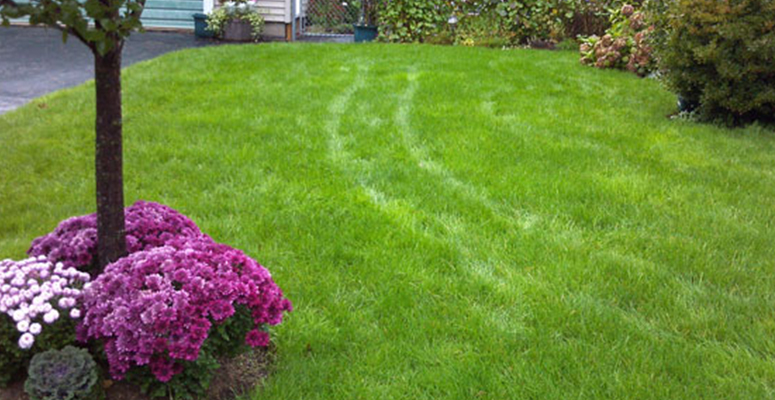
When damage appears in spring, look at the pattern. Straight lines or isolated dry areas may point to irrigation coverage issues. Irregular patches could have a different cause. Turf Unlimited can evaluate the lawn and recommend appropriate next steps rather than treating every symptom the same way.
Sprinkler damage becomes a concern when water trapped inside the system freezes. The exact risk depends on how low temperatures fall, how long freezing conditions last, the location of system components, and whether they are insulated by soil. Because New England weather can change quickly, the safest approach is to winterize before sustained freezing temperatures arrive.
No. Turning off the controller prevents scheduled watering, but it does not remove water from pipes, valves, sprinkler heads, or other components. Proper sprinkler winterization includes shutting off the irrigation water supply and clearing residual water from the system.
A sprinkler blowout is a winterization method that uses compressed air to push remaining water out of irrigation lines and sprinkler heads. Each zone is cleared separately. The process requires appropriate equipment and pressure settings to avoid damaging the system.
Winterization is intended to reduce the risk of freeze damage, but it cannot prevent unrelated issues such as normal wear, accidental damage, electrical problems, soil movement, or components that were already failing. A fall inspection may help identify some concerns before the system is shut down.
A sprinkler system should generally be restarted after winter conditions have passed and the risk of damaging freezes has decreased. The ground should also be sufficiently thawed. During startup, restore water pressure gradually and inspect every zone for leaks, broken heads, and uneven spray patterns.
New England winters can be hard on outdoor equipment. Leaving water inside an irrigation system creates an avoidable risk of cracked pipes, damaged valves, broken heads, and springtime leaks.
Professional sprinkler winterization helps protect your irrigation investment and gives you one less maintenance concern during winter. It can also provide useful insight into repairs or adjustments that may be needed before the next watering season.
Turf Unlimited provides sprinkler winterization, seasonal irrigation maintenance, and professional lawn care for homeowners and businesses throughout our service areas in Massachusetts and New Hampshire.
Prepare your system before freezing weather arrives. Contact Turf Unlimited or call (888) 649-9919 to schedule sprinkler winterization.