Posted on November 26th, 2018
Our snow-free days are numbered here in New England. In Massachusetts and New Hampshire, the shift from late fall to frozen ground can happen quickly—one week you’re raking leaves in a sweatshirt, and the next you’re dealing with hard frosts, heavy wet snow, and wind that snaps weak branches.
A little winter prep now protects what you’ve already invested in all year: stronger roots, fewer broken branches, less winter damage, and an easier spring cleanup. The goal isn’t perfection—it’s reducing stress on your lawn, trees, and irrigation system so everything wakes up healthier when temperatures finally climb.
The tips below focus on practical steps you can take before the big freeze and what to do during winter storms to prevent avoidable damage.
Need a hand getting your property winter-ready—or planning for a stronger spring lawn? Reach out through our contact page or call (888) 649-9919.
Winter yard maintenance in Massachusetts and New Hampshire comes down to protecting roots, preventing breakage, and avoiding freeze damage.
 Mulch does more than “make beds look nice.” In New England, it acts like a protective blanket that helps regulate soil temperature and reduces the drying effects of cold wind. That matters because even when plants are dormant, their roots can still be damaged by temperature swings and moisture loss—especially during open winters with little snow cover.
If you have piles of leaves after fall cleanup, you’re sitting on one of the best (and cheapest) mulches available.
Important: Keep mulch pulled back a few inches from the trunk of trees and the base of shrubs. Piling mulch against bark can trap moisture and invite rot or pests.
If you’re already thinking about winter tree care, light seasonal trimming can also reduce storm breakage risk. Our professional pruning services can help address weak, rubbing, or poorly structured branches before snow and ice load them down.
One of the most common mistakes we see in Massachusetts and New Hampshire is shutting off watering too early. Fall can be deceptively dry, and young or recently transplanted trees don’t have established root systems yet. If they go into winter already stressed, they’re more likely to show dieback in spring.
Here’s a homeowner-friendly reference you can use as you head into the cold season:
| Plant type | Fall watering priority | When to stop (general guideline) | What you’re preventing |
|---|---|---|---|
| Newly planted trees/shrubs | High | When temps stay below ~40°F and ground starts freezing | Winter desiccation (drying), root stress |
| Established trees | Medium | After consistent cold + natural leaf drop | Stress during dry, windy winter spells |
| Lawns | Low to medium | When growth slows and irrigation is winterized | Late-season drought stress in thin areas |
If you’re unsure whether your lawn or plantings are stressed heading into winter, our lawn care programs are built around New England’s seasonal swings and can help you prioritize what actually matters before the freeze.
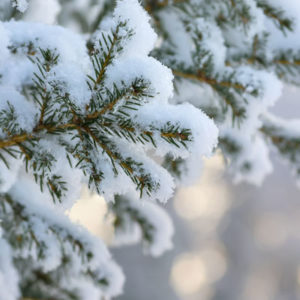 We get a lot of snow in New England, and the heavy, wet storms are often the ones that cause the most damage. Trees can carry impressive weight—but when snow piles up on extended branches (especially on evergreens), it can lead to cracking, splitting, or full limb failure.
Arborvitae, pines, and other evergreens often collect and hold snow. If you’ve had repeated issues with splaying or bending, that can be a sign your plant needs structural pruning or support going into future winters.
Safety note: If a large limb is cracked, hanging, or near power lines, don’t try to handle it yourself. That’s a “call a pro” situation.
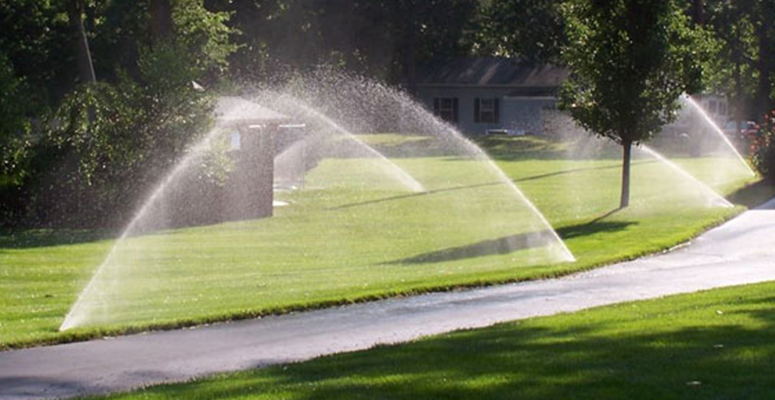
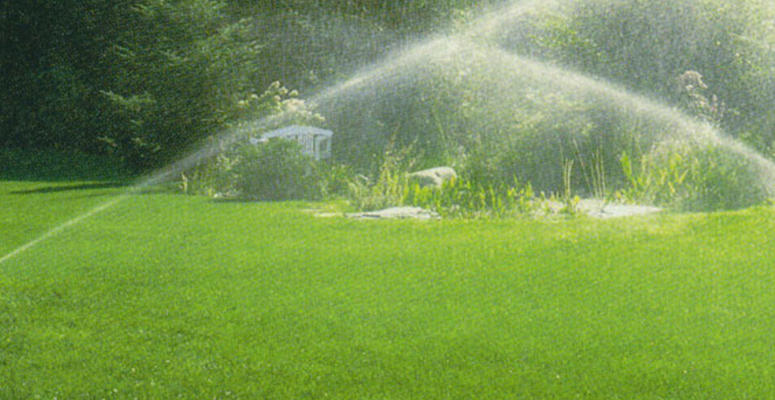
New England winters are harsh, and once hard freezes hit, water trapped in irrigation lines can expand and crack pipes, valves, or backflow components. Those repairs can be expensive—and they often show up right when you want to start watering in spring.
If you have an irrigation system, winterizing is one of the highest-value winter maintenance tasks you can do.
We can help protect your system with professional sprinkler service so you’re not rolling the dice with freeze damage. And when spring arrives, we can also help get everything running correctly again so you’re not dealing with dry zones, overspray, or coverage gaps.
Your grass may look “asleep,” but the crown (the growing point of the plant) is still there—and it’s vulnerable to physical damage during winter. The biggest issues we see across Massachusetts and New Hampshire lawns are compaction, salt stress, and repeated traffic in the same paths.
Compaction is also a long-term issue for many New England lawns—between wet spring soil, kids/pets, and general use. If your lawn is consistently thin after winter, spring (or more often fall) is a good time to plan for core aeration to relieve compaction and help water and nutrients move into the root zone.
Use this as a straightforward process you can follow each year—especially helpful if you’re juggling fall cleanup, travel, and the first storms.
If you’re located in our service territory, we work with homeowners across Massachusetts and New Hampshire and can help you plan both winter protection and spring recovery steps.
A healthier spring lawn often starts with what you do in late fall and winter. Mulching, smart watering, safe snow management, and irrigation winterization all reduce the stress that builds up during the cold months—so your property rebounds faster when the thaw finally comes.
If you’d like help with winter prep, irrigation winterization, or building a lawn plan that fits Massachusetts and New Hampshire conditions, we’re here to help. Contact us through our contact page or call (888) 649-9919.