Posted on November 25th, 2021
Seeding your lawn is a great way to make it look lush and green. But before you can seed your lawn, there are some things that you should know.
In Massachusetts, successful lawn seeding requires understanding our unique climate—cool springs, hot summers, cold winters, and the right grass varieties for New England conditions. Whether you’re overseeding thin areas or establishing a new lawn entirely, following these expert tips will help ensure success.
Want a professionally seeded lawn that thrives in Massachusetts? Contact Turf Unlimited at 888-649-9919 for expert overseeding services tailored to your property.

There are many different types of grass seeds available, but not all perform well in Massachusetts. Be sure to research the type of grass that will best fit your yard’s conditions.
Best grass varieties for Massachusetts lawns:
Most Massachusetts homeowners achieve best results with a blend of these cool-season grasses, which thrive in our climate and handle New England’s temperature extremes.
One of the best times to seed your lawn in Massachusetts is in early fall (late August through September). This timing allows for:
Spring seeding (late April through May) is your second-best option, though you’ll face more weed competition and potential drought stress during summer.
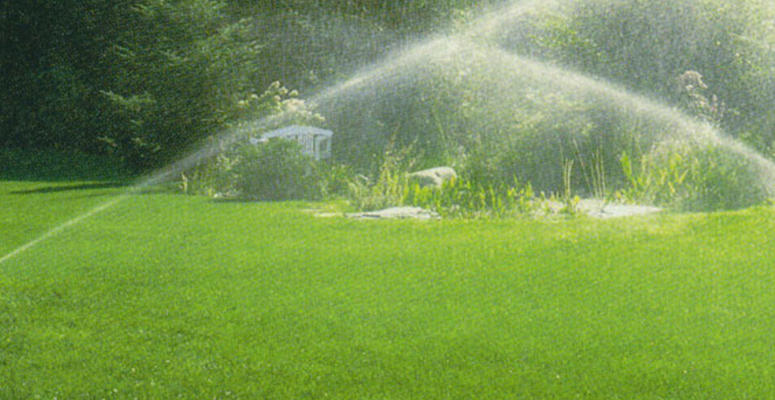
After seeding your lawn, consistent moisture is critical for germination. Water lightly 2-3 times daily to keep the top inch of soil moist but not saturated.
Massachusetts-specific watering tips:
Continue regular watering for the first 2-3 weeks, then transition to deeper, less frequent watering to encourage deep root growth.
Over-seeding is one of the biggest mistakes homeowners make. Too many seeds competing for space, nutrients, and water leads to weak, thin grass that’s susceptible to disease.
Proper seeding rates for Massachusetts:
Use a spreader for even distribution and follow package recommendations. Our professional overseeding service ensures proper seed-to-soil contact and optimal coverage.
When fertilizing your seeded lawn, choose a starter fertilizer with higher phosphorus content to encourage strong root development.
Fertilizer tips for Massachusetts lawns:
Our lawn care programs include properly timed fertilization that supports healthy grass growth throughout the season.
Ready for a comprehensive lawn care approach? Turf Unlimited provides complete lawn care services including fertilization, weed control, and seasonal maintenance. Schedule your consultation today or call 888-649-9919.
Successful seeding starts with proper soil preparation. For best results:
For established lawns, core aeration before overseeding dramatically improves seed-to-soil contact and germination rates. This is especially important in Massachusetts where soil compaction is common.
Light mulching helps retain moisture and protect seeds from birds and weather.
Mulching options:
Apply a thin layer that allows 50% of soil to show through. Too much mulch can smother seeds and prevent germination. Remove or rake in excess mulch once grass reaches 2 inches tall.
Newly seeded lawns need protection during establishment:
Massachusetts families should plan seeding around outdoor activities—late summer seeding allows grass to establish before kids return to heavy lawn play.
Proper mowing practices support healthy grass development:
First mowing guidelines:
Ongoing mowing for Massachusetts lawns:
Newly seeded lawns are vulnerable to weed invasion. However, most weed control products cannot be used on new grass.
Weed management strategies:
Our weed control services provide safe, effective treatments once your new lawn is established.
Many Massachusetts properties have:
Address these issues with core aeration, lime applications (to raise pH), and organic matter amendments for better results.
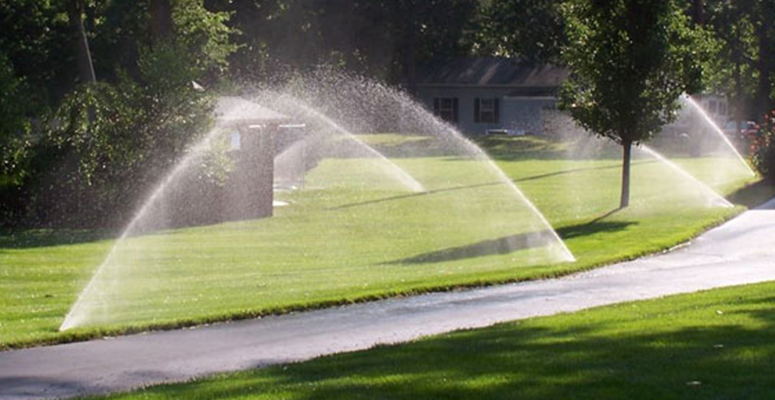
Consistent moisture is essential for germination. If you don’t have irrigation:
Early fall (late August through September) is the best time to seed lawns in Massachusetts. Warm soil temperatures encourage quick germination while cooler air reduces stress on new seedlings. You’ll also face less weed competition and can take advantage of fall rainfall. Spring seeding (late April through May) is your second option, though summer heat and weeds create more challenges.
Germination time varies by grass type. Perennial ryegrass germinates fastest at 5-10 days, tall fescue takes 7-12 days, and Kentucky bluegrass requires 14-21 days. Soil temperature, moisture, and seed quality all affect germination speed. In Massachusetts, fall seeding typically shows faster germination than spring due to warm soil and ideal moisture conditions.
Summer seeding (June-August) is not recommended in Massachusetts. High temperatures and potential drought stress make germination difficult and seedling survival low. New grass struggles in heat and requires excessive watering. If you must seed in summer, choose heat-tolerant tall fescue and be prepared to water frequently. Fall or spring seeding produces much better results.
Yes, core aeration before overseeding dramatically improves results. Aeration creates holes that give seeds direct contact with soil, improving germination rates significantly. It also reduces soil compaction, improves water infiltration, and allows air and nutrients to reach grass roots. Most Massachusetts lawns benefit from annual aeration, ideally done immediately before overseeding in early fall.
Professional overseeding costs in Massachusetts typically range from $0.15-$0.30 per square foot, depending on lawn size, condition, and services included. A 5,000 square foot lawn might cost $750-$1,500 for overseeding with aeration. Full lawn renovation costs more. At Turf Unlimited, we provide detailed estimates based on your specific lawn’s needs and include proper preparation for best results.
While DIY lawn seeding is possible, professional services ensure better results through:
At Turf Unlimited, we’ve been helping Massachusetts homeowners achieve beautiful lawns for decades. Our comprehensive lawn care services include everything from initial seeding to ongoing maintenance.
Don’t leave your lawn’s success to chance. Let our experienced team handle your seeding project with the expertise and attention to detail that comes from years of working with Massachusetts lawns.
Contact us today at 888-649-9919 to learn more about our overseeding services and comprehensive lawn care programs. We’ll help you achieve the thick, healthy lawn you’ve always wanted.