Posted on February 27th, 2022
Summer in Massachusetts and New Hampshire brings long, sunny days perfect for enjoying your lawn—but it also brings challenges. Between heat waves, occasional drought spells, and the humid stretches that encourage disease, your grass faces real stress. One of the most effective ways to protect your lawn during the hottest months is to mow it correctly. Proper mowing height, sharp blades, and smart timing can mean the difference between a lush, green lawn and patchy, brown turf.
Many homeowners don’t realize that how you mow directly affects your lawn’s ability to retain moisture, resist pests, and stay green through summer. Cutting too short, mowing with dull blades, or mowing at the wrong time can weaken your grass and leave it vulnerable. The good news? A few simple adjustments to your mowing routine can help your lawn thrive all season long.
Whether you’re managing a lawn in Worcester, Nashua, or anywhere across New England, the tips below will help you maintain healthy, resilient grass from June through September.
Need expert help keeping your lawn healthy this summer? Call us at (888) 649-9919 or contact us online to learn how Turf Unlimited can support your lawn all season.

Before we dive into the details, here are the most important summer mowing practices to remember:
The summer heat brings stress to all lawns, especially across Massachusetts and New Hampshire where humid stretches can amplify the effects. Recognizing the early warning signs allows you to adjust your care routine before the damage becomes severe.
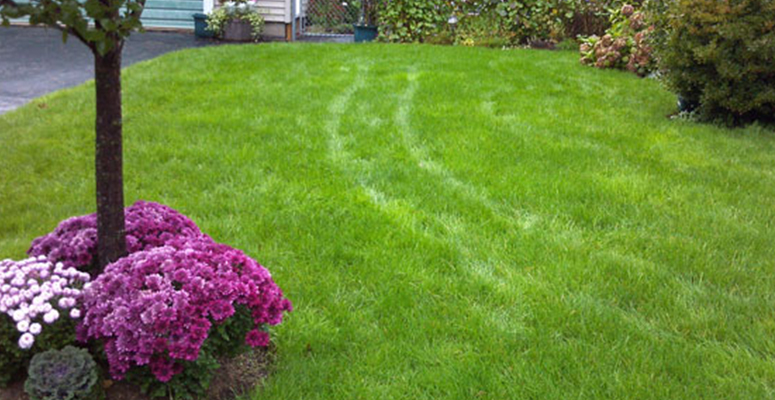
Early signs include footprints that remain visible long after you’ve walked across the lawn. Healthy, hydrated grass springs back quickly; stressed grass stays flat. You may also notice the lawn taking on a grayish tint or a darker, duller green instead of its usual vibrant color.
Moderate stress shows up as curling grass blades and browning tips. If the stress continues—whether from heat, drought, or improper care—you’ll start to see brown patches scattered across your yard. These patches may be caused by drought, disease, insect activity, or a combination of factors.
By paying close attention to these signals, you can intervene early with adjusted watering, smarter mowing, or professional treatment before the lawn declines further.
Understanding the root causes of summer lawn stress helps you prevent problems before they start. While heat is the obvious culprit, several factors work together to stress New England lawns during the warmest months.
Drought and Heat
During hot, dry periods, grass loses moisture rapidly through a cooling process called transpiration. If the roots can’t absorb enough water to replace what’s lost, the blades wilt and turn brown. This is especially common during July and August dry spells in Massachusetts and New Hampshire.
Dormancy
Some grass types, particularly cool-season varieties common in New England, enter dormancy as a survival mechanism when it’s hot and dry. Growth stops, and the grass turns brown to conserve energy until cooler, wetter conditions return. Dormant grass can green up again with irrigation, but inconsistent watering forces the lawn in and out of dormancy, which causes even more stress.
Insect Pests
Warmer weather activates insect pests like chinch bugs, sod webworms, and grubs. These pests feed on grass roots and blades, creating irregular brown patches that are often mistaken for drought damage. If your lawn has a history of pest issues, consider professional grub control or chinch bug treatment to protect it during peak season.
Diseases
Drought-stressed lawns are more vulnerable to fungal diseases, especially during humid stretches. Brown patch, dollar spot, and other turf diseases thrive in warm, moist conditions and can spread quickly if the lawn is already weakened.
Improper Mowing and Watering
Mowing too short reduces the grass’s ability to produce chlorophyll and retain moisture. Infrequent or inconsistent watering leads to compacted soil and shallow roots. Over-watering weakens the turf and encourages disease. Getting these basics right is essential for summer lawn health.
Proper mowing is one of the most powerful tools you have for protecting your lawn during the heat. Here’s how to do it right.
As temperatures rise and rainfall becomes less reliable, grass growth naturally slows down. You don’t need to mow as often in July and August as you did in May and June. Mowing less frequently reduces stress on the grass and gives it more time to recover between cuts. In many New England lawns, once every 7 to 10 days is sufficient during the hottest weeks.
The single most important mowing rule for summer is this: keep your grass between 3.5 and 4 inches tall. This height provides several benefits:
Never cut more than one-third of the grass height at a time. If you’ve been away and the lawn has grown tall, mow it down gradually over several sessions. Cutting too much at once removes too much leaf surface, limiting the grass’s ability to photosynthesize and weakening it when it’s already stressed.
Dull mower blades tear and shred grass instead of making clean cuts. The ragged edges dry out quickly and create entry points for disease and pests. Sharpen your mower blade at least twice during the growing season—once in spring and again before the summer heat peaks. A sharp blade makes mowing easier, leaves a cleaner finish, and keeps your grass healthier.
Timing matters. Mowing during the heat of midday adds extra stress to your lawn. The grass is already working hard to stay cool, and a fresh cut in full sun accelerates moisture loss. Instead, mow in the early morning after the dew has dried, or wait until early evening when temperatures start to drop. This gives the grass a chance to recover before the next wave of heat.
If your lawn has gone dormant and turned brown, resist the urge to mow it. Dormant grass is fragile. Foot traffic and mower weight can damage the crowns and roots, making it harder for the grass to recover when conditions improve. Wait until the lawn greens up again before resuming your mowing schedule.
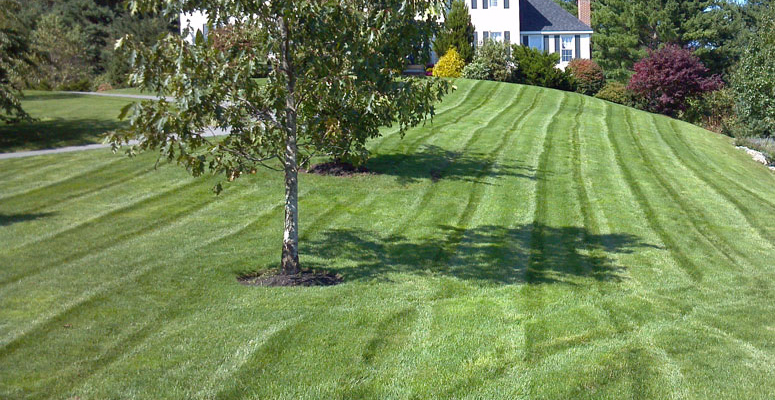
Mowing in the same direction every time causes soil compaction and wears down the turf along your usual paths. It also causes grass to lean in one direction, making it harder to get a clean, even cut. Change your mowing direction or pattern each time you mow—north-south one week, east-west the next, diagonal the third. This keeps the grass standing upright and reduces wear on the lawn. If your soil is already compacted from heavy use or clay content (common in much of Massachusetts), consider core aeration in the fall to improve air and water movement.
There’s no need to bag clippings after mowing. As long as you’re mowing regularly and not removing more than one-third of the blade height, the clippings are short enough to decompose quickly. They act as a natural mulch, shading the soil and helping it retain moisture. Even better, clippings return nitrogen and other nutrients to the soil, reducing your need for supplemental fertilization. This practice, called grasscycling, is one of the easiest ways to improve your lawn for free.
Different seasons call for different mowing strategies. Here’s a quick reference for adjusting your approach throughout the year:
| Season | Mowing Height | Frequency | Key Tips |
|---|---|---|---|
| Spring | 3–3.5 inches | Every 5–7 days | Grass grows fast; keep up with it. Raise height as temps warm. |
| Summer | 3.5–4 inches | Every 7–10 days | Mow high to retain moisture. Mow less often during heat waves. |
| Fall | 3–3.5 inches | Every 7 days | Growth picks up again. Gradually lower the height for the final cut. |
| Late Fall | 2.5–3 inches | Final cut only | Cut shorter for winter to reduce snow mold risk. |
By adjusting your mowing height and frequency seasonally, you’ll support your lawn’s natural growth cycle and keep it healthy year-round.
Even with proper mowing, some lawns need extra help to stay healthy during the summer months. Here are signs it’s time to call in the pros:
Turf Unlimited provides comprehensive lawn care services across Massachusetts and New Hampshire, including fertilization, weed control, pest management, aeration, and more. We tailor every program to the specific challenges of New England lawns.
Keep your grass between 3.5 and 4 inches tall during the summer. This height helps the lawn retain moisture, shades the soil to keep roots cool, and prevents weed seeds from germinating. Taller grass also develops deeper roots, making it more drought-tolerant.
Most New England lawns need mowing every 7 to 10 days during the summer, depending on rainfall and temperatures. If growth slows during a hot, dry spell, you can mow less frequently. Never remove more than one-third of the grass height in a single mowing session.
It’s generally better to water before mowing, ideally the night before or early in the morning. This ensures the grass is hydrated and stands upright for a cleaner cut. If you need to water after mowing, wait until evening to minimize evaporation and stress on the freshly cut grass.
No. Dormant grass is fragile, and mowing can damage the crowns and roots, making it harder for the lawn to recover. Wait until the grass greens up again—either from rain or resumed watering—before you resume mowing.
Grass clippings decompose quickly and return valuable nitrogen and organic matter to the soil. They also act as a natural mulch, helping the soil retain moisture during dry periods. As long as you’re mowing regularly and not cutting off too much at once, clippings won’t cause thatch buildup or smother the grass.
Proper mowing is one of the simplest and most effective ways to protect your lawn during the challenging summer months. By mowing at the right height, using sharp blades, timing your cuts carefully, and adjusting your frequency as the season progresses, you’ll help your grass stay healthy, green, and resilient—even during the hottest weeks.
Remember: your lawn is an investment in your home’s curb appeal and outdoor enjoyment. A little extra care during the summer pays off in a lawn you’ll be proud of all season long.
Ready to give your lawn the care it deserves? The team at Turf Unlimited is here to help. Whether you need a full-service lawn care program, seasonal treatments, or expert advice tailored to New England conditions, we’ve got you covered. Call us today at (888) 649-9919 or contact us online to schedule a consultation and keep your lawn looking its best year-round.