Posted on January 11th, 2018
Pruning is one of the most important maintenance tasks for keeping your trees and shrubs healthy, attractive, and productive throughout the year. Yet it’s also one of the most misunderstood aspects of landscape care. Many Massachusetts and New Hampshire homeowners either avoid pruning entirely (worried they’ll harm their plants) or prune at the wrong time with incorrect techniques, causing more damage than benefit.
The reality is that proper pruning does far more than just shape your plants. Strategic cuts promote stronger growth, improve flowering and fruiting, prevent disease, eliminate safety hazards, and help your landscape withstand New England’s challenging weather conditions—from heavy snow loads to summer storms. A well-pruned tree or shrub lives longer, looks better, and requires less corrective intervention over time.
Understanding when and how to prune different plants, what tools to use, and which techniques work best for your landscape goals can transform your property’s appearance and health. This guide covers everything Massachusetts and New Hampshire homeowners need to know about pruning success, from seasonal timing to professional techniques.
Keep your landscape healthy and beautiful year-round. The experts at Turf Unlimited provide professional pruning services throughout Massachusetts and New Hampshire. Call us at (888) 649-9919 to schedule your pruning service today.
Essential pruning knowledge for New England homeowners:
Pruning serves multiple critical functions that directly impact your landscape’s health and appearance across Massachusetts and New Hampshire’s four distinct seasons.
Health and disease prevention is the primary reason to prune regularly. Removing dead, diseased, or damaged branches eliminates entry points for insects and pathogens before they spread to healthy tissue. In our humid New England summers, dense canopies trap moisture and reduce air circulation, creating perfect conditions for fungal diseases. Thinning cuts that open up the interior of shrubs and trees allow better airflow and faster drying after rain, significantly reducing disease pressure.
Structural integrity matters especially in regions that experience heavy snow, ice storms, and occasional hurricanes. Weak branch unions, crossing limbs that rub and create wounds, and unbalanced growth patterns all create failure points during severe weather. Corrective pruning while trees are young establishes strong architecture that withstands New England weather extremes for decades.
Enhanced flowering and fruiting depends on proper pruning timing and technique. Most flowering shrubs bloom on either last year’s wood (old growth) or current season’s wood (new growth). Prune at the wrong time, and you’ll cut off all the flower buds, resulting in no blooms that year. Understanding your plants’ blooming habits ensures maximum flower production year after year.
Safety and clearance pruning removes hazards like dead limbs overhanging roofs, branches touching power lines, or growth blocking sightlines at driveways. For homeowners investing in comprehensive property care including lawn care and landscape maintenance, eliminating safety hazards protects both your property value and your family’s wellbeing.
Aesthetic control shapes plants to complement your home’s architecture, maintains desired sizes, and creates the landscape appearance you want. Overgrown foundation plantings that block windows, shrubs encroaching on walkways, or trees with low branches interfering with lawn mowing all benefit from strategic pruning.
Pruning timing depends on plant type, blooming habits, and your goals. This table provides seasonal guidance for common Massachusetts and New Hampshire landscape plants.
| Plant Type | Best Pruning Time | Reason | Avoid Pruning |
|---|---|---|---|
| Spring-flowering shrubs (forsythia, lilac, azalea, rhododendron) | Immediately after flowering (late spring) | Flower buds form on previous year’s growth | Late summer through winter (removes next year’s flowers) |
| Summer-flowering shrubs (hydrangea, rose of Sharon, butterfly bush) | Late winter/early spring (February-March) | Flowers form on current season’s new growth | After new growth starts |
| Most deciduous trees (maple, oak, birch) | Late winter dormancy (February-early March) | Minimal sap loss, easy to see structure, rapid spring healing | Spring (during sap flow) and fall (slows healing) |
| Evergreen trees and shrubs | Late winter or mid-summer | Minimizes stress and browning | Late fall (new growth won’t harden before winter) |
| Fruit trees | Late winter (while dormant) | Promotes fruiting wood, easy structure assessment | Growing season (weakens tree) |
| Dead/damaged branches | Anytime noticed | Prevents disease spread and safety hazards | Never wait—remove immediately |
New England timing considerations: Our region’s climate adds specific constraints. Late winter pruning (typically mid-February through mid-March) works well because plants are dormant but spring growth is imminent, allowing rapid healing once temperatures warm. Avoid pruning too early in winter when extreme cold can damage fresh cuts, and avoid fall pruning that stimulates new growth that won’t harden off before winter.
Mastering a few fundamental techniques ensures your pruning efforts improve plant health rather than causing harm. Follow these professional practices for best results:
Even well-intentioned homeowners make errors that reduce pruning effectiveness or harm plants. Watch for these common mistakes:
Pruning at the wrong time is the most frequent error. Cutting spring-flowering shrubs in winter removes all the flower buds that formed the previous summer, resulting in no blooms. Wait until immediately after flowering finishes to prune these plants, giving them the full growing season to develop next year’s flower buds.
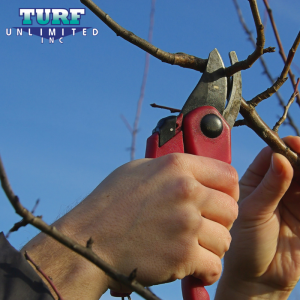
Using dull or dirty tools creates ragged cuts that heal slowly and spread disease between plants. Sharp, clean tools make precise cuts that close quickly, reducing infection risk. Bypass pruners (which cut like scissors) work better than anvil-style pruners (which crush stems).
Leaving stubs or cutting too close both cause problems. Stubs longer than ¼ inch above buds die back and invite disease. Cuts flush with buds damage growth points and prevent sprouting. Position cuts precisely ¼ inch above buds at 45-degree angles.
Over-pruning in a single season stresses plants severely. Removing more than one-third of growth triggers survival responses, often producing weak water sprouts (fast vertical shoots) rather than strong structural branches. For badly overgrown shrubs, plan renovation over 2-3 years.
Ignoring plant-specific needs leads to poor results. Not all shrubs respond the same way to pruning. Some tolerate hard cutting (privet, yew), while others die if cut into old wood (rhododendron, pine). Research your specific plant species or consult professionals before major pruning.
Pruning lopsided shrubs incorrectly makes problems worse. To fill in sparse areas, prune branches on the sparse side to buds pointing toward the gap. Paradoxically, cutting the sparse side stimulates the growth you want there. Don’t just cut the overgrown side—that alone won’t balance the plant.
Neglecting safety when pruning near power lines, on ladders, or with overhead branches risks serious injury. Any pruning requiring ladders taller than 6 feet, work near power lines, or removal of branches over 3 inches diameter should be left to professionals with proper equipment and training.
Having the right tools and following safety protocols protects both you and your plants.
Essential pruning tools include:
Hand pruners (bypass style) for cuts up to ¾ inch diameter—branches, twigs, small stems. Quality brands like Felco or Corona provide clean cuts and last for years with proper maintenance.
Loppers (long-handled pruners) for cuts ¾ to 1½ inches diameter—thicker branches beyond hand pruner capacity. The extended handles provide leverage for clean cuts on larger wood.
Pruning saw for cuts over 1½ inches diameter. Specialized pruning saws have curved blades with aggressive teeth designed to cut living wood efficiently. Never use carpentry saws for pruning—they bind and make rough cuts.
Hedge shears for shearing formal hedges and shaping dense shrubs. These work for creating geometric forms but aren’t appropriate for most pruning tasks.
Pole pruner (optional) for reaching high branches without ladders. These combine loppers or saws on extension poles, keeping you safely on the ground for branches up to 12-15 feet high.
Safety equipment includes gloves (leather for thorny plants), safety glasses (always—falling debris injures eyes frequently), long sleeves, and sturdy footwear. For any work on ladders, use proper three-point contact, never overreach, and have a helper stabilize the ladder.
Maintenance matters: Clean and sharpen tools regularly, oil moving parts, and disinfect blades between plants. Well-maintained tools make cleaner cuts, work more efficiently, and last decades rather than seasons.
For Massachusetts and New Hampshire homeowners in our service areas, professional pruning eliminates tool investment, eliminates safety risks, and ensures correct techniques that protect your landscape investment.
1. Can I prune my shrubs anytime I notice overgrowth, or does timing really matter?
Timing matters significantly. While you can remove dead, damaged, or hazardous branches anytime you notice them, pruning for shape or size control must align with each plant’s growth and flowering cycle. Spring-flowering shrubs (lilacs, forsythia, azaleas) must be pruned immediately after blooming—prune them in late winter and you’ll cut off all the flower buds, resulting in no blooms that year. Summer-flowering shrubs bloom on new growth and should be pruned in late winter. For most deciduous trees in Massachusetts and New Hampshire, late winter dormancy (February through early March) provides ideal conditions: easy structure visibility, minimal sap loss, and rapid healing once spring growth begins.
2. Will pruning make my tree or shrub grow faster or slower?
Proper pruning typically stimulates growth and improves plant vigor. Removing dead or diseased wood allows plants to redirect energy to healthy growth rather than trying to maintain dying tissue. Thinning cuts that open up dense canopies improve light penetration and air circulation, producing stronger growth throughout the plant rather than just on outer tips. However, excessive pruning (removing more than one-third of growth) severely stresses plants and can slow or halt growth for a season or more. The key is balanced, moderate pruning focused on plant health rather than dramatic size reduction in a single session.
3. What should I do if I accidentally prune at the wrong time?
Don’t panic—one mistimed pruning rarely kills healthy plants. The most common consequence is reduced or absent flowering for one season. Continue proper care including watering during dry periods, appropriate fertilization, and pest monitoring. The plant will typically recover and bloom normally the following year if you prune at the correct time going forward. If you removed significant growth (more than one-third), avoid additional pruning for at least a full year to allow recovery. Document your pruning dates and plant responses to build knowledge for future seasons.
4. How can I tell if a branch is dead or just dormant in winter?
Scratch a small section of bark with your thumbnail or knife on the branch in question. Living branches show green or white tissue (cambium layer) just under the outer bark, while dead branches reveal brown, dry, brittle tissue throughout. You can also check flexibility—living branches bend somewhat, while dead branches snap cleanly. Look for leaf buds along the branch; their presence indicates living tissue, though absence doesn’t guarantee death (some branches naturally have few buds). When in doubt, wait until late spring when living branches leaf out and dead branches remain bare—this makes identification certain.
5. Is it worth hiring professionals for pruning, or is this an easy DIY task?
The answer depends on plant size, your comfort with tools and ladders, and the complexity of pruning needed. Small shrubs under 6 feet tall with straightforward pruning needs (removing a few branches, light shaping) are reasonable DIY projects if you research proper timing for your specific plants. However, professional pruning makes sense for: trees requiring ladder work or removal of large branches, valuable specimen plants where mistakes would be costly, spring-flowering shrubs where incorrect timing means no blooms, renovation of badly overgrown plants, and any situation involving work near power lines. Professionals bring species knowledge, proper tools, safety equipment, liability insurance, and techniques refined over thousands of pruning jobs. For homeowners investing in comprehensive property care in New Hampshire and throughout the region, professional pruning protects landscape investment and eliminates personal risk.
Strategic, properly timed pruning keeps your trees and shrubs healthy, attractive, and productive for decades. While the basic principles are straightforward—remove dead and damaged wood, make clean cuts at proper angles, never remove more than one-third of growth—applying these principles correctly requires understanding plant-specific needs, seasonal timing, and proven techniques.
Massachusetts and New Hampshire landscapes face unique challenges from heavy snow loads, ice storms, humid summers, and dramatic temperature swings. Regular pruning helps your plants withstand these stressors by developing strong structure, maintaining good air circulation, and redirecting energy to healthy growth. Combined with comprehensive care like proper watering, mulching, and integrated pest management, pruning becomes part of a holistic approach to landscape health.
Whether you choose to prune yourself for small, straightforward tasks or prefer to rely on professionals for safety and expertise, understanding pruning fundamentals helps you maintain beautiful, healthy plants year after year. The investment in proper pruning pays dividends through enhanced curb appeal, fewer plant losses, better flowering, and a landscape that increases your property value.
Ready to give your trees and shrubs the care they deserve? The experienced team at Turf Unlimited provides expert pruning services throughout Massachusetts and New Hampshire. We prune at the right time using proper techniques to keep your landscape healthy and beautiful. Call us today at (888) 649-9919 to schedule your pruning service and protect your landscape investment.