Posted on May 23rd, 2022
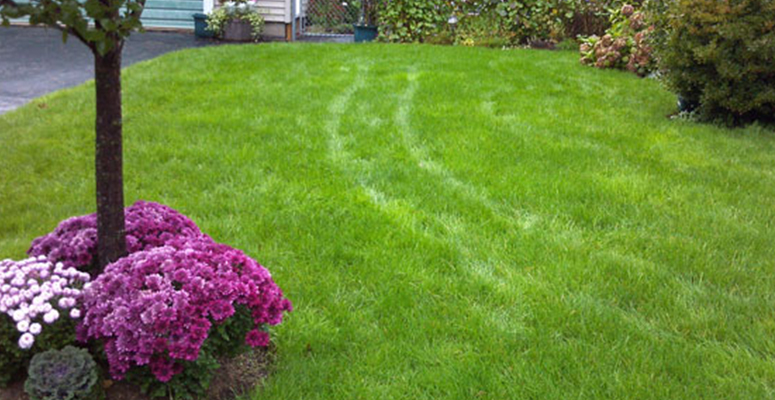
Is your lawn looking thin, patchy, or just plain tired after another long New England winter? If bare spots are spreading and your turf lacks the thick, lush appearance it once had, overseeding might be exactly what your lawn needs. This proven lawn care technique helps Massachusetts and New Hampshire homeowners restore density, improve color, and create a more resilient turf that can stand up to our region’s demanding climate—from harsh winters and spring mud season to summer drought and fall leaf loads.
Overseeding is the process of spreading grass seed directly into your existing lawn without tearing up the turf or starting from scratch. When done at the right time with the right seed, it fills in bare areas, thickens weak spots, and introduces newer, more disease-resistant grass varieties to your yard. Whether your lawn has been stressed by grubs, chinch bugs, winter snow mold, or simple wear and tear, overseeding offers a cost-effective way to bring it back to life.
In this guide, we’ll walk you through everything you need to know: why overseeding works, when to do it in New England, how to prepare your lawn for success, and when it makes sense to call in professional help. By the end, you’ll have a clear plan to rejuvenate your turf and enjoy a greener, healthier lawn all season long.
If you’d like expert guidance or a professional overseeding service tailored to your property, contact us today or call (888) 649-9919 to schedule a consultation. Our team serves homeowners throughout Massachusetts and New Hampshire.
Here’s what you need to know about overseeding your New England lawn:
Lawns in our region face unique stresses. Long, harsh winters with heavy snow cover can lead to snow mold and turf thinning. Spring brings freeze-thaw cycles that heave soil and damage grass crowns. Summer heat waves and occasional drought stress cool-season grasses, while fall’s heavy leaf load can smother turf if not managed properly. Over time, these conditions—combined with foot traffic, pests like grubs and chinch bugs, and competition from weeds—leave lawns looking sparse and weak.
Overseeding addresses these problems by:
If your lawn has been damaged by winter, attacked by pests, or simply weakened by age, overseeding gives it a fresh start without the cost and disruption of a full lawn renovation.
Before you spread a single seed, take time to understand why your lawn looks thin or patchy. If you don’t address the underlying cause, your new grass may struggle just like the old turf.
Here are common issues Massachusetts and New Hampshire homeowners face:
| Problem | Symptoms | What to Do |
|---|---|---|
| Grub Damage | Brown patches that peel back like carpet; increased mole or skunk activity | Apply grub control treatment before overseeding |
| Chinch Bug Infestation | Yellowing, dying grass in sunny areas during summer | Treat with targeted insecticide; consider professional help |
| Soil Compaction | Hard, dense soil; water pools or runs off; grass struggles to root | Core aeration before overseeding |
| Poor Drainage | Standing water after rain; soggy, waterlogged areas | Improve grading or install drainage solutions |
| Insufficient Sunlight | Thin, weak grass under trees; moss growth | Prune branches or consider shade-tolerant seed blends |
| Nutrient Deficiency | Pale, slow-growing grass; lack of green color | Soil test and fertilization program |
| Weed Competition | Crabgrass, broadleaf weeds taking over bare spots | Pre-emergent weed control and proper timing |
Pro Tip: If you’re not sure what’s wrong, a professional lawn assessment can save you time and money. Our team can diagnose pest damage, soil issues, and disease problems, then recommend the right treatments and seed varieties for your specific situation. Learn more about our lawn care services or call (888) 649-9919 for a free consultation.
Timing is everything. Seed your lawn at the wrong time, and you’ll fight weeds, heat stress, and poor germination. Get the timing right, and your new grass will establish quickly and thrive.
Why fall is ideal:
In Massachusetts and New Hampshire, aim to overseed between late August and mid-September for best results. If you wait until late October, seedlings may not have enough time to establish before the first hard frost.
If you missed the fall window, early spring is your second-best option. The key is to seed after the last frost but before summer heat arrives.
Spring overseeding works, but it comes with challenges:
Bottom line: If you’re serious about overseeding, plan for fall. If spring is your only option, be prepared for extra watering and weed management.
Follow these steps to ensure successful germination and establishment:
Not all grass seed is created equal. For Massachusetts and New Hampshire lawns, look for cool-season grass blends that include:
Many homeowners benefit from a premium blend that combines these varieties for balanced performance in sun and partial shade. Your local turf professionals can recommend the best seed for your specific conditions.
Preparation is critical for seed-to-soil contact. Here’s what to do:
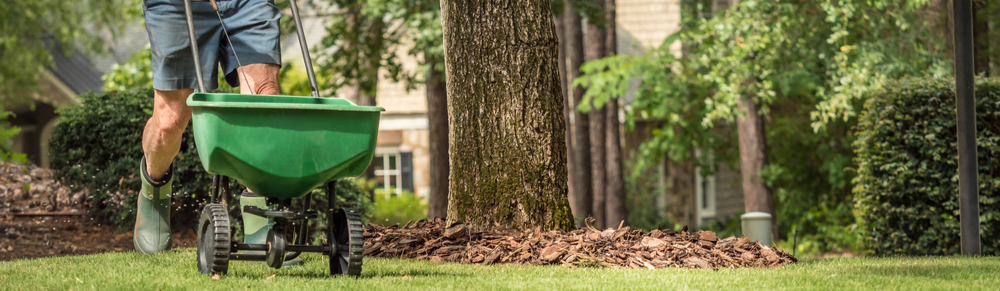
For even coverage, use a broadcast spreader (for larger lawns) or spread by hand (for small areas or spot-seeding). Follow the seed bag’s recommended rate—usually 4–6 pounds per 1,000 square feet for overseeding.
Tip: Walk in perpendicular passes (north-south, then east-west) to avoid missed spots.
Watering is the most important step after seeding. Keep the top 1–2 inches of soil consistently moist for the first two weeks:
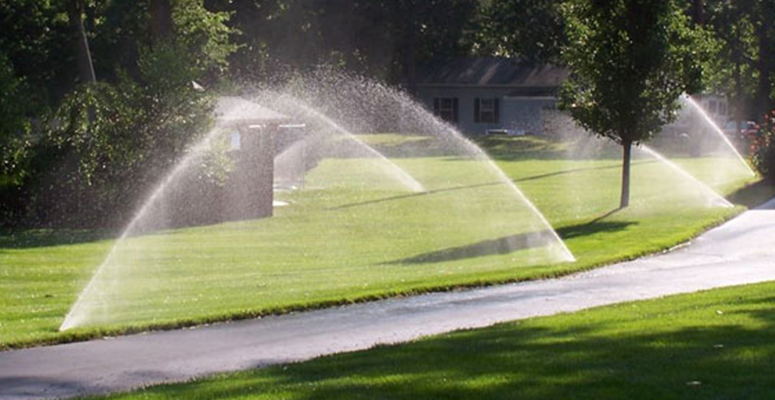
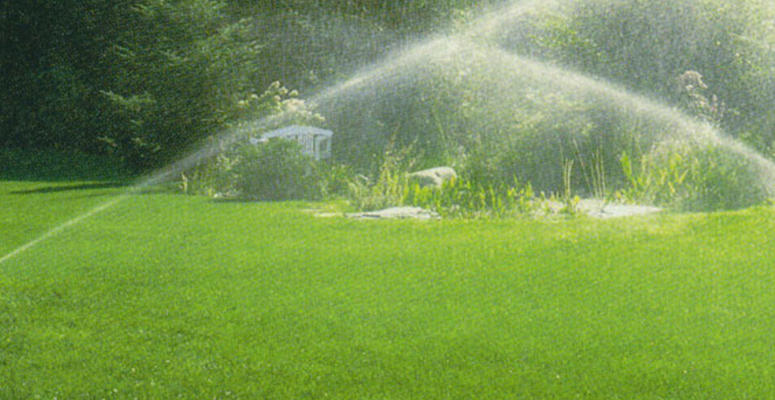
If you have an irrigation system, our sprinkler service can help you adjust settings for optimal seed establishment.
Don’t mow until new grass reaches 3–4 inches tall. Mowing too soon can uproot tender seedlings. When you do mow, keep blades sharp and remove only the top third of the grass height.
A starter fertilizer (high in phosphorus) applied at seeding time helps roots develop. About 4–6 weeks after germination, follow up with a balanced lawn fertilizer to encourage thick, healthy growth.
If you do only one thing to improve your overseeding success, aerate first. Here’s why this combination works so well:
Most professional lawn care companies offer overseeding and aeration packages in the fall. It’s the most cost-effective way to rejuvenate a tired lawn. If you’re interested, check out our overseeding services for more details.
Overseeding isn’t overly complicated, but getting it right takes experience, the right equipment, and knowledge of local conditions.
Here’s when it makes sense to call a professional:
Contact us or call (888) 649-9919 to discuss your lawn’s specific needs and get a free estimate.
Most cool-season grass seed germinates within 7–14 days under ideal conditions (adequate moisture, soil temps between 50–65°F). Perennial ryegrass sprouts fastest (5–10 days), while Kentucky bluegrass can take up to 21 days. You should see noticeable thickening within 3–4 weeks.
It depends on timing. Pre-emergent herbicides prevent all seeds—including grass seed—from germinating. If you applied pre-emergent in spring, wait at least 8–12 weeks before overseeding, or the seed won’t sprout. This is another reason fall overseeding is preferred: you won’t have pre-emergent residue interfering with germination.
Topdressing (spreading a thin layer of compost or topsoil over the seed) isn’t required, but it can improve results—especially on bare or compacted areas. A light topdressing (¼ inch) protects seed from birds, helps retain moisture, and provides organic matter for root development. Avoid smothering existing grass with thick layers.
Choose a shade-tolerant grass seed blend with fine fescue varieties. Even then, grass struggles in deep shade (less than 4 hours of dappled sunlight). Consider pruning tree branches to increase light, or explore ground covers or mulch for heavily shaded areas.
Most Massachusetts and New Hampshire lawns benefit from overseeding every 2–3 years, especially if you have high traffic, pest pressure, or thin spots. Well-maintained lawns with good density may only need overseeding every 4–5 years. Annual overseeding is typically only necessary for athletic fields or heavily used areas.
Overseeding is one of the smartest investments you can make in your Massachusetts or New Hampshire lawn. It addresses thinning turf, fills bare spots, improves disease resistance, and creates a thick, lush lawn that you’ll be proud to show off. Whether you tackle it yourself or trust the pros, timing and preparation are everything.
At Turf Unlimited, we’ve helped thousands of New England homeowners restore and maintain beautiful, healthy lawns. From core aeration and overseeding to full-season lawn care programs, we have the experience, equipment, and local knowledge to deliver results you can see.
Ready to give your lawn the care it deserves? Contact us today or call (888) 649-9919 to schedule your fall overseeding service. Let’s make your lawn the best on the block.